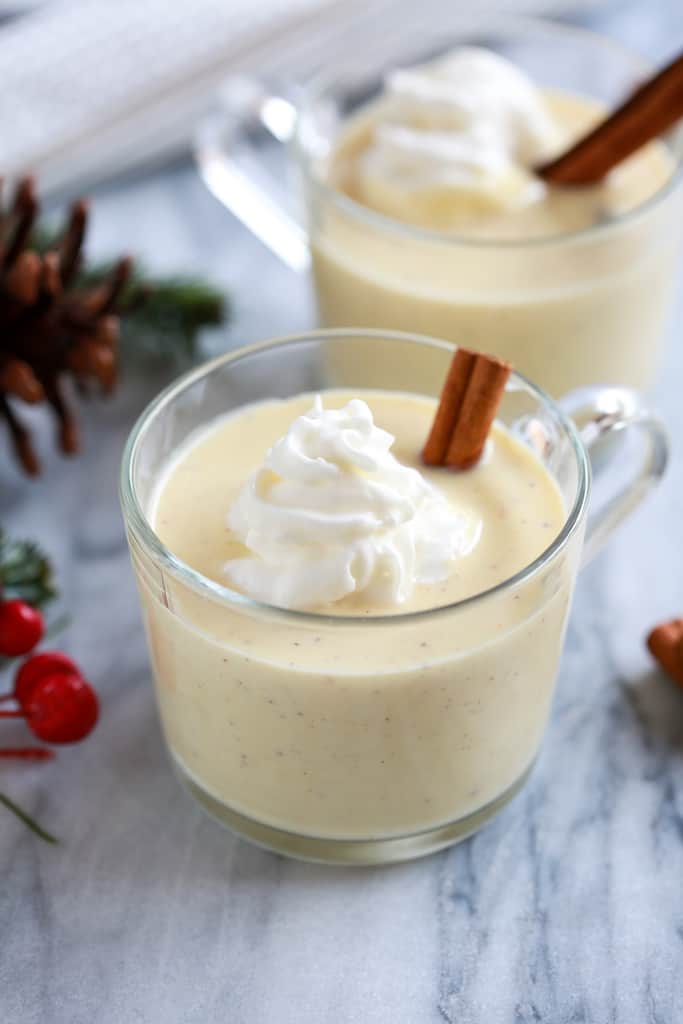
Easy Homemade Eggnog: Why It Beats Store-Bought Every Time
As the holiday season draws near, few beverages evoke the spirit of warmth and celebration quite like eggnog. For many, it's a nostalgic staple, a creamy, spiced concoction that instantly transports them to festive gatherings and cozy evenings. However, if your experience with this iconic drink has been limited to the carton varieties found in grocery store dairy aisles, prepare for a revelation. Making eggnog from scratch isn't just a culinary endeavor; it's an elevation of a seasonal classic, transforming it into something truly extraordinary. Many people, even ardent fans of the store-bought version, are astonished by how incredibly simple and utterly delicious homemade eggnog can be. Forget any preconceived notions about it being complicated or requiring specialized skills. The truth is, a truly exceptional, thick, and creamy eggnog with the perfect balance of sweetness and spice is well within reach of any home cook. Once you experience the unparalleled taste and texture of a freshly made batch, it’s highly likely you’ll never look back at the pre-packaged options again. Perhaps you've always thought you didn't care for eggnog, finding store-bought versions too thin, overly sweet, or possessing an artificial aftertaste. If so, your palate is in for a delightful surprise. Homemade eggnog is a game-changer, revealing the true potential of this beloved drink. It's a rich, smooth, and deeply satisfying creation that can easily "wow" even the biggest eggnog skeptics, turning them into enthusiastic devotees.The Unbeatable Difference: Why Homemade Eggnog Reigns Supreme
The chasm between homemade and store-bought eggnog is vast, primarily due to three crucial factors: freshness, flavor, and texture.1. Unparalleled Freshness and Quality of Ingredients:
- Dairy: When you make eggnog at home, you control the quality of your milk and cream. You can opt for whole milk, heavy cream, or even a mix to achieve your desired richness. Store-bought versions often contain lower-fat dairy and stabilizers.
- Eggs: Fresh, high-quality eggs are the heart of homemade eggnog. The vibrant yolks contribute to the beautiful color and emulsifying properties, creating that signature velvety texture.
- Spices: The difference fresh nutmeg makes is profound. Grating whole nutmeg directly into your eggnog provides an aromatic depth that pre-ground, often stale, spices simply cannot replicate. You can also add fresh cinnamon or a hint of vanilla for a personalized touch.
- No Preservatives or Artificial Flavors: Homemade eggnog is pure. There are no synthetic thickeners, artificial flavorings, or preservatives needed to extend its shelf life. What you taste is the genuine article.
2. Superior Flavor Profile and Balance:
Store-bought eggnog often prioritizes sweetness, sometimes to the detriment of other delicate flavors. It can taste one-dimensional, sometimes even cloyingly sweet, with a generic spice blend that lacks nuance. Homemade eggnog, by contrast, allows for a perfect balance. You can:
- Adjust Sweetness: Tailor the sugar content precisely to your preference.
- Customize Spices: Experiment with ratios of nutmeg, cinnamon, and even a touch of clove or allspice to create your signature blend.
- Control Richness: Achieve that ideal thick, creamy consistency without it being overly heavy or thin and watery. It's truly "liquid gold," smooth and luxurious on the palate.
3. Irresistible Texture:
The texture of homemade eggnog is often the most striking difference. It's lusciously thick, yet wonderfully smooth, coating your mouth with a decadent creaminess that store-bought versions struggle to emulate. This comes from the careful emulsification of fresh eggs and dairy, often gently cooked to create a custardy base, which provides a richness and body that industrial processes typically cannot replicate.
Debunking the Myth: Homemade Eggnog is Easier Than You Think
The idea of making eggnog from scratch might conjure images of complex culinary techniques or food safety concerns regarding raw eggs. While some traditional recipes do call for a completely raw egg method, which some find daunting or simply unappealing (and can be truly cringeworthy if not done correctly!), many of the best modern homemade eggnog recipes prioritize a cooked custard base. This method not only ensures food safety by gently cooking the eggs but also results in an incredibly smooth, thick, and stable product. The process typically involves whisking egg yolks with sugar, then slowly tempering them with heated milk and cream. This mixture is then gently cooked until it thickens just enough to coat the back of a spoon – a classic sign of a well-made custard. It's a surprisingly straightforward process that requires minimal attention and yields consistently delicious results. Forget the struggles of early attempts with raw egg methods; the cooked custard approach is a reliable path to success, even for novice cooks.Crafting Your Perfect Blend: Essential Ingredients and Flavor Profiles
- Eggs: Fresh, large egg yolks are essential. They provide the richness, color, and act as a natural thickener.
- Dairy: A combination of whole milk and heavy cream is often recommended for the ideal balance of flavor and luxurious texture. You can adjust the ratio to suit your preference for richness.
- Sugar: Granulated sugar is standard, offering sweetness without overpowering the other flavors.
- Nutmeg: This is the soul of eggnog. Always opt for whole nutmeg and grate it fresh. The difference in aroma and taste compared to pre-ground is astounding.
- Vanilla Extract: A splash of good quality vanilla extract (pure, not artificial) enhances the creamy notes and adds depth.
- Optional Spices: A pinch of cinnamon, a tiny whisper of clove, or a hint of allspice can elevate your eggnog, but always use them sparingly to let the nutmeg shine.
To Spike or Not to Spike? Navigating Alcohol in Your Eggnog
One of the greatest advantages of making your own eggnog is the ability to customize it completely – and that includes the alcohol content. Many homemade recipes, including our family's favorite, are crafted to be delicious entirely on their own, allowing everyone, including children, to enjoy this seasonal treat. However, if you're looking to add an adult twist, eggnog serves as an exceptional base for various spirits. When choosing alcohol for your eggnog, aim for spirits with a higher alcohol concentration. This not only adds a pleasant kick but also helps to cut through the sweetness of the eggnog, creating a more balanced and sophisticated drink. Common and highly recommended choices include:- Brandy: A classic choice, offering fruity, oaky notes that complement the spices beautifully.
- Rum: Dark or aged rum adds warmth, caramel undertones, and a touch of sweetness. A spiced rum can add an extra layer of flavor.
- Bourbon or Whiskey: These provide a smoky, vanilla, or caramel complexity that can be incredibly satisfying.
Beyond the Basics: Tips for Eggnog Perfection
Achieving that "liquid gold" status for your homemade eggnog goes beyond just the recipe; it involves a few simple tips for optimal flavor and presentation:- Chill Time is Crucial: While tempting to serve immediately, eggnog benefits immensely from chilling for at least 4-6 hours, or even better, overnight. This allows the flavors to meld and deepen, resulting in a more harmonious and delicious drink.
- Freshly Grated Nutmeg is Non-Negotiable: We cannot stress this enough. Invest in a whole nutmeg and a microplane grater. The difference is truly astounding.
- Garnish Generously: A final dusting of freshly grated nutmeg, a cinnamon stick, or even a dollop of whipped cream elevates both the visual appeal and the sensory experience.
- Consider Your Serving Vessel: While any glass will do, serving eggnog in elegant glasses or festive mugs enhances the holiday feel.
- Storage: Store homemade eggnog in an airtight container in the refrigerator for up to 3-5 days.
