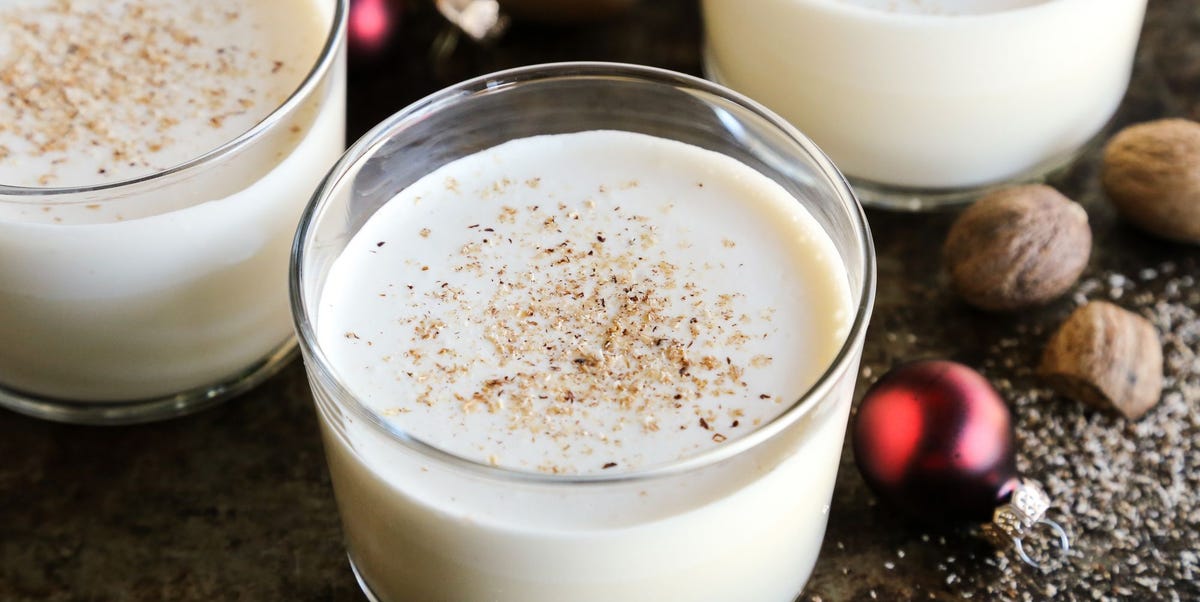
As the days grow shorter and the festive season approaches, there's one beverage that instantly evokes warmth, nostalgia, and holiday cheer: eggnog. This rich, creamy, and spiced concoction has transcended centuries to become an indispensable part of winter celebrations across North America and beyond. Whether you prefer it traditionally spiked, delightfully non-alcoholic, or innovatively vegan, crafting your own perfect eggnog is a rewarding experience that brings a touch of magic to any gathering. Let's delve into the fascinating world of this festive drink, exploring its history, classic preparation, and modern adaptations.
The Rich Tapestry of Eggnog's History and Etymology
The story of eggnog is as rich and complex as its flavor profile, with roots tracing back to medieval Europe. Its earliest ancestor is often cited as "posset," a hot, curdled milk drink popular in medieval Britain, frequently mixed with ale or wine and sometimes fortified with eggs by the 13th century. This humble drink, served for both medicinal and festive purposes, gradually evolved. By the 18th century, it had transformed into the cold, egg-based beverage we recognize today, becoming a celebrated part of American colonial traditions.
The term "eggnog" itself is an intriguing linguistic blend. It first appeared in print in American English around 1775, in a poem by Jonathan Boucher, an Anglican clergyman in Maryland. The "egg" component clearly refers to the beaten eggs, a key ingredient. The "nog" is a little more obscure, possibly stemming from "nog," a 17th-century English dialect term for a strong ale, or perhaps "noggin," a Middle English word for a small wooden mug used to serve drinks. These etymological threads suggest a drink that was both potent and traditionally served in specific vessels, reflecting a gradual evolution of both the beverage and its name.
Crafting the Classic Eggnog: A Timeless Tradition
For many, the quintessential holiday experience isn't complete without a glass of classic, homemade eggnog. The traditional preparation is an art form, yielding a beverage that is far superior to most commercial versions. At its heart, classic eggnog combines a few simple, high-quality ingredients to create an unforgettable experience.
Core Ingredients for Classic Eggnog:
- Fresh Eggs: Often separated into yolks and whites. For safety, many modern recipes recommend using pasteurized eggs or gently cooking the egg yolk base.
- Dairy: A luxurious blend of whole milk and heavy cream for ultimate richness.
- Sweetener: Granulated sugar, beaten with the yolks to create a thick, creamy base.
- Spices: Freshly grated nutmeg is non-negotiable, providing that signature aromatic warmth. Cinnamon or a hint of cloves can also be added.
- Spirits (Optional, but Traditional): A blend of rum (dark or spiced), brandy, and bourbon or rye whiskey is typical. Sherry is sometimes included for an extra layer of complexity.
The Traditional Preparation Method:
- Yolk Base: Egg yolks are vigorously beaten with sugar until pale yellow and thick. This creates the foundational richness of the eggnog.
- Spirits and Dairy: The chosen liquors are gradually incorporated into the yolk mixture, which not only infuses flavor but also helps stabilize the eggs. Whole milk and heavy cream are then stirred in.
- Whipped Whites and Cream: In separate bowls, egg whites are whipped to soft peaks, and the heavy cream is whipped until light and fluffy. These are then gently folded into the yolk-dairy-spirit mixture, adding the characteristic frothy texture and lightness.
- Chilling and Serving: The eggnog is chilled thoroughly, allowing the flavors to meld. Before serving, a final dusting of freshly grated nutmeg is essential.
The role of alcohol in traditional eggnog extends beyond flavor. Historically, the high alcohol content (often exceeding 20% ABV in colonial recipes) played a crucial role in inhibiting bacterial growth, including Salmonella. This allowed for the safe aging of eggnog for weeks, even months, in a cool environment, with connoisseurs claiming that aging significantly enhances the flavor and smoothness of the drink. While modern safety concerns often lead to shorter aging times or the use of pasteurized eggs, the principle remains: proper preparation and storage are key to enjoying this festive indulgence.
Eggnog for Everyone: Non-Alcoholic & Vegan Innovations
While the classic, spirit-infused eggnog holds a special place, its universal appeal means there are delicious variations for every palate and dietary need. Whether you're entertaining children, non-drinkers, or those with plant-based preferences, a festive glass of eggnog is within reach.
Non-Alcoholic Eggnog: Family-Friendly Festivity
Creating a non-alcoholic eggnog is wonderfully straightforward. The simplest method is to follow a classic eggnog recipe but simply omit the spirits. The resulting beverage is still rich, creamy, and spiced, offering all the celebratory flavor without the alcohol. For an extra layer of flavor, consider adding a splash of vanilla extract, almond extract, or a touch of non-alcoholic rum or brandy extract to mimic some of the traditional spirit notes. This version is perfect for kids and adults alike, ensuring everyone can participate in the holiday toast.
Vegan Eggnog: A Plant-Based Indulgence
The rise of plant-based diets has sparked incredible culinary creativity, and eggnog is no exception. Crafting a delicious vegan eggnog means finding clever substitutions that replicate the creamy texture and rich mouthfeel of its dairy and egg-based counterpart. The key lies in selecting the right plant-based milks and egg replacers:
- Plant-Based Milks: A blend often works best.
- Full-fat coconut milk (canned): Provides incredible richness and body, though it can impart a subtle coconut flavor.
- Oat milk (barista blend): Creamy and neutral, excellent for replicating dairy's texture.
- Almond milk or soy milk: Good base options, though less rich than coconut or oat.
- Egg Replacers & Thickeners:
- Silken tofu: Blends beautifully to create a creamy, thick base, mimicking the richness of egg yolks.
- Soaked cashews: When blended, cashews create a remarkably creamy texture, similar to a dairy cream.
- Cornstarch or arrowroot powder: Can be used as a thickener, particularly when creating a stovetop-cooked vegan eggnog base.
- Nutritional yeast: A tiny pinch can add a subtle "eggy" depth without any actual egg.
Tips for Vegan Eggnog: To achieve that authentic eggnog flavor, don't skimp on the spices! Freshly grated nutmeg, cinnamon, and a hint of allspice or cloves are crucial. Vanilla extract is also key. Many vegan recipes will involve blending all ingredients until smooth, then gently heating the mixture to thicken it and meld the flavors, ensuring a smooth, luxurious texture without any raw egg concerns.
Ensuring Eggnog Safety and Enjoyment
While the allure of homemade eggnog is undeniable, food safety, particularly concerning raw eggs, has been a long-standing discussion. However, with modern knowledge and practices, enjoying homemade eggnog safely is entirely achievable.
Addressing Raw Egg Concerns:
The primary concern with raw eggs is the potential for Salmonella contamination. Here are several effective ways to mitigate this risk:
- Use Pasteurized Eggs: Widely available in most grocery stores, pasteurized eggs have been heat-treated to kill bacteria while remaining raw. This is arguably the safest and easiest option for homemade eggnog.
- Cook the Egg Base: For those using unpasteurized eggs, gently cooking the egg yolk and sugar mixture (tempering it with warm milk/cream, then heating it to 160°F or 71°C) will pasteurize the eggs and thicken the base without scrambling them. This method requires careful, constant stirring over low heat.
- Rely on Alcohol: As mentioned, traditional eggnog recipes often have a high alcohol content (over 20% ABV), which acts as a natural antimicrobial agent. If you're making a fully alcoholic, traditional recipe, sufficient alcohol and proper refrigeration can make it safe for consumption and even aging. This fascinating aspect of the drink's history is further explored in Eggnog Safety Demystified: Raw Eggs, Alcohol, and Holiday Risks.
- Refrigeration: Regardless of your chosen method, always store eggnog in an airtight container in the refrigerator.
Commercial eggnog versions typically use pasteurized eggs and dairy, eliminating raw egg risks entirely while maintaining that desirable creamy texture.
Serving Your Perfect Eggnog:
Once your eggnog is chilled and ready, presentation is key. Serve it in festive glasses or mugs, dusted generously with freshly grated nutmeg. For alcoholic versions, you can offer a variety of spirits on the side, allowing guests to customize their drink. A cinnamon stick or a star anise pod can also add a beautiful aromatic garnish.
From its humble origins as a medieval posset to its status as a beloved holiday staple, eggnog has cemented its place in our festive traditions. Whether you prefer the robust complexity of a classic, alcohol-spiked recipe, the comforting familiarity of a non-alcoholic version for the whole family, or the innovative deliciousness of a plant-based alternative, crafting your own perfect eggnog is a truly rewarding endeavor. Embrace the spirit of the season, experiment with flavors and textures, and enjoy the rich, creamy indulgence that only homemade eggnog can provide. Here's to a joyous and delicious holiday season!
