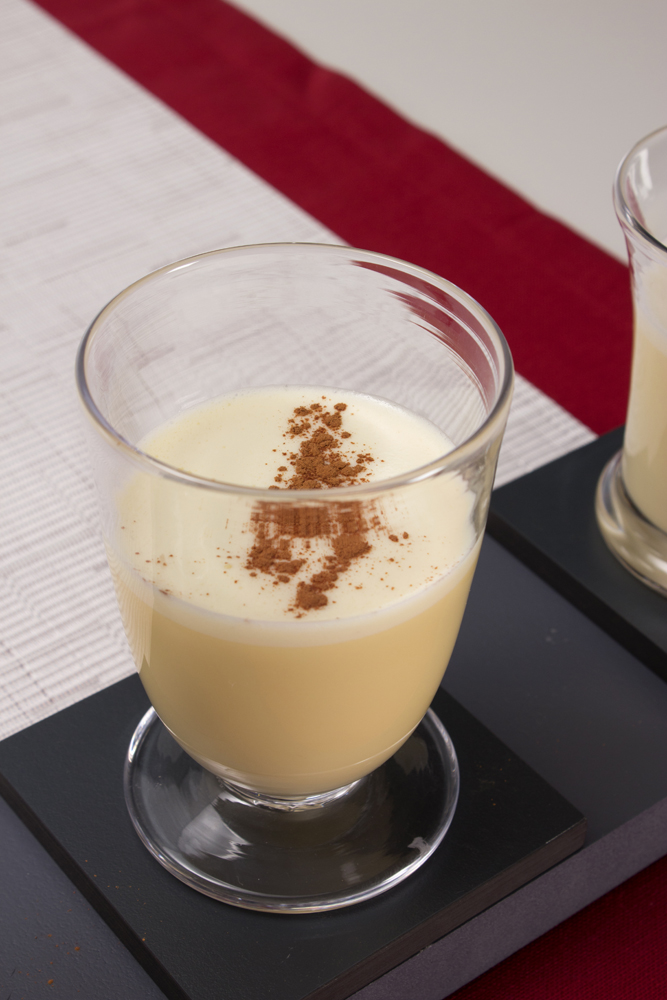
The Ancient Origins of Eggnog: From Medieval Posset to Colonial Classic
Few beverages evoke the warmth and festive spirit of the holiday season quite like eggnog. Its rich, creamy texture and distinct blend of spices and spirits have made it a beloved winter staple across North America and beyond. But this indulgent drink is far more than just a seasonal treat; its roots delve deep into history, tracing a fascinating lineage from medieval European concoctions to the iconic American colonial classic we cherish today. Join us on a journey through time as we uncover the ancient origins and remarkable evolution of eggnog.
The Humble Beginnings: From Medieval Posset to European Elegance
To truly understand eggnog, we must first travel back to medieval Britain, the birthplace of its earliest ancestor: posset. This intriguing drink was a hot, comforting mixture, typically made by curdling milk or cream with ale or wine, often spiced and sometimes sweetened. While the earliest versions of posset didn't always include eggs, by the 13th century, eggs began making appearances in these warming brews, adding richness and body.
Posset served various purposes, from a medicinal tonic to a celebratory drink for the upper classes. Its ingredients—milk, wine, and spices—were considered luxuries, making it a status symbol and a testament to wealth. Over centuries, these egg-and-dairy mixtures evolved across Europe, adapting to local ingredients and tastes, laying the groundwork for what would eventually become the modern eggnog. The concept of combining dairy, eggs, and spirits for a warming, fortifying beverage was thus firmly established long before the term "eggnog" ever graced a printed page.
The American Transformation: Eggnog's Colonial Classic Status
The true transformation of posset into the beloved eggnog as we know it began with its voyage across the Atlantic to the American colonies. Here, a unique confluence of factors allowed the drink to flourish and evolve into its iconic form. Unlike in Europe, where dairy and spirits could be costly, the colonies offered an abundance of fresh milk, cream, and eggs. More importantly, various spirits became readily available and affordable. Caribbean rum was plentiful and cheap, while domestic production of whiskey (bourbon and rye) began to boom.
This access to ingredients allowed colonial Americans to create a more lavish and substantial version of the European prototypes. The 18th-century American colonial style of eggnog became renowned for its opulence. It typically involved a meticulous preparation using raw eggs (either fresh or pasteurized for modern safety, though raw was common then), whole milk, heavy cream, sugar, and a generous dusting of freshly grated nutmeg. The addition of a robust blend of spirits – often rum, brandy, bourbon, rye whiskey, and sometimes sherry – was not just for flavor; these high-proof alcohols played a crucial role in enhancing the drink's character and, importantly, its stability. Traditional recipes often boasted an alcohol content exceeding 20% ABV. This high alcohol level, combined with proper refrigeration, was understood to inhibit bacterial growth, allowing the beverage to be safely aged for weeks, intensifying its flavors and making it a true showpiece of colonial hospitality. For those interested in understanding the nuances of safe preparation, explore Eggnog Safety Demystified: Raw Eggs, Alcohol, and Holiday Risks.
Unpacking the Name: What's in a "Nog"?
While the drink itself has ancient roots, the term "eggnog" is a distinctly American coinage, first appearing in print around 1775. Its earliest known usage is attributed to Jonathan Boucher, an Anglican clergyman residing in Maryland, who described a beverage of eggs beaten with milk or cream and often spirits in one of his poems.
The compound word "eggnog" is straightforward in its first component: "egg" clearly denotes the inclusion of beaten eggs as a foundational ingredient. The "nog" component, however, has a more obscure and debated etymology. One popular theory suggests it derives from "nog," a 17th-century English dialect term referring to a strong ale or beer. This makes sense given the historical context of drinks like posset, which frequently incorporated ale. Another compelling interpretation links "nog" to "noggin," a Middle English word for a small wooden mug or cup often used to serve drinks. This theory suggests the name could have evoked both the beverage's potency and its traditional serving vessel.
Regardless of the precise origin of "nog," the term "eggnog" signifies a linguistic adaptation that solidified this particular egg-and-dairy-and-spirit mixture as a unique American tradition, even as similar festive drinks existed across Europe under different names.
Crafting the Perfect Eggnog: Traditional Techniques and Modern Adaptations
The classic preparation of homemade eggnog is an art form that, while seemingly complex, is incredibly rewarding. It begins with carefully separating fresh eggs (or pasteurized for added safety). The egg yolks are then beaten with sugar until they achieve a thick, pale, and creamy consistency, forming the rich base of the drink. Quality spirits – a judicious blend of rum, brandy, or bourbon is often preferred – are then slowly incorporated. The alcohol not only imparts a distinctive warming flavor but also contributes to the mixture's stability, helping to "cook" the raw eggs slightly and inhibit bacterial growth.
Separately, the egg whites are whipped until stiff peaks form, and heavy cream is whipped until fluffy. These components are then gently folded into the yolk-liquor base, lending eggnog its characteristic frothy, airy texture. A final flourish of freshly grated nutmeg completes the experience, adding an aromatic spice that perfectly complements the richness. While traditionally served chilled, some enjoy it at room temperature or even gently warmed.
Today, eggnog continues to evolve. While traditionalists swear by the classic spiked version, non-alcoholic varieties are widely popular, making it a family-friendly treat for all ages. Vegan alternatives, utilizing plant-based milks (like almond or oat) and egg replacers, also offer delicious options for those with dietary restrictions, ensuring that everyone can partake in the holiday cheer. To explore various delightful preparations, including non-alcoholic and vegan options, delve into Crafting Your Perfect Eggnog: Classic, Alcohol-Free & Vegan Options.
Expert Tip: For an unparalleled flavor depth, consider making your homemade eggnog several weeks in advance. The alcohol and refrigeration allow the flavors to meld beautifully, creating a smoother, more integrated taste profile. Always use the freshest ingredients and ensure proper storage to maintain safety and quality.
Eggnog's Enduring Legacy and Holiday Charm
From its humble beginnings as a medicinal posset in medieval England to its elevated status as a luxurious colonial classic, eggnog has traversed centuries and continents. It embodies a rich culinary history, reflecting societal changes, available ingredients, and evolving tastes. Today, it remains an indispensable symbol of festive indulgence, a comforting and spirited beverage that brings people together during the winter holidays.
Whether enjoyed in its potent, traditional form, a sweet non-alcoholic rendition, or a plant-based alternative, eggnog continues to charm new generations. Its enduring legacy is a testament to its versatility, its rich heritage, and its undeniable power to imbue any gathering with a special sense of warmth and celebration.
